
Media

Audiobooks don’t really count as reading? Think again. | Education scholars say rigor, learning same as paper, stigma an unnecessary hurdle — Harvard Gazette
Published March 2, 2026
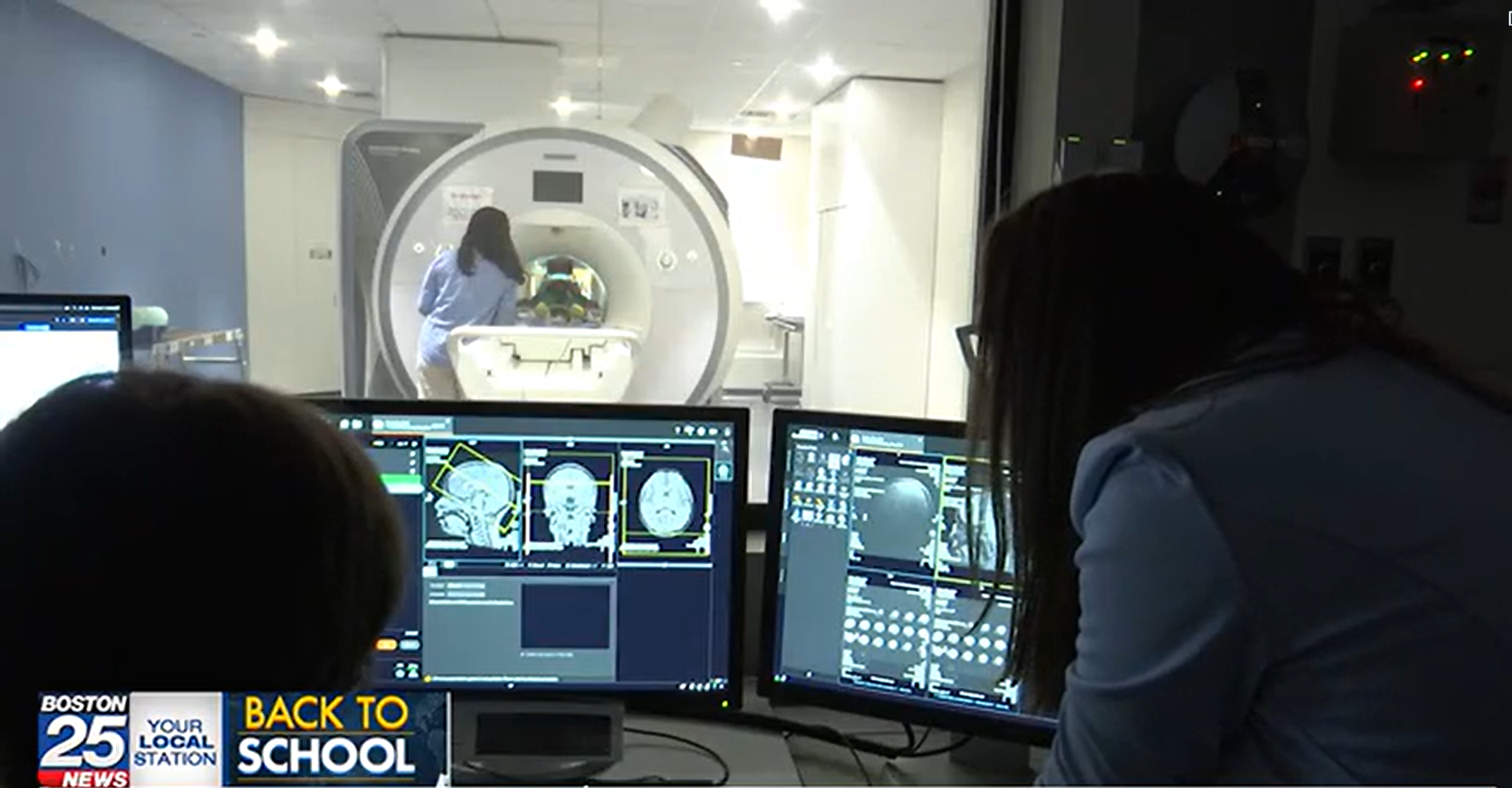
“More than 40 percent of Americans think that listening to audiobooks is less rigorous and really doesn’t count as reading. Cognitive neuroscientist Nadine Gaab disagrees, and she and other education scholars say the view is counterproductive when it comes to learning and development. Not only does the brain operate the same when reading print books or listening to audiobooks, Gaab said, but the learning process is also the same.”
Read more at the link above!
Why we keep getting the cause of dyslexia wrong | Everything from genetics to the way our brains process sounds can pose challenges as we learn to read — BBC Science Focus
Published January 9, 2026
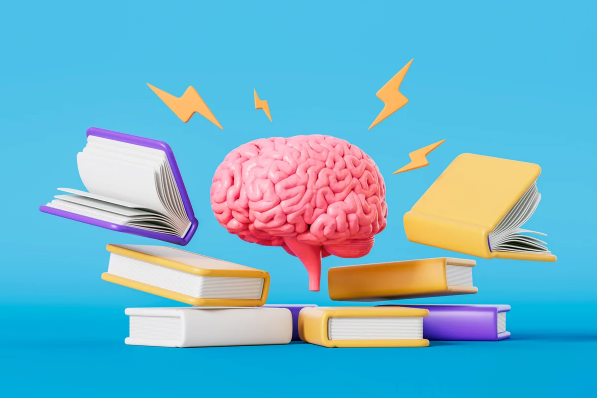
“The causes of dyslexia are “an interaction between genetics, the brain, perception, cognition, and environment,” says Prof Nadine Gaab, an associate professor of education at the Harvard Graduate School of Education. Her research has shown that components of dyslexia can be present as early as infancy, when specific genes begin causing the brain to develop differently. Though the genetic underpinnings of dyslexia are not fully understood, we do know there are many genes at play.” - Read more at the link above!
Dyslexia and the Reading Wars | Proven methods for teaching the readers who struggle most have been known for decades. Why do we often fail to use them? — The New Yorker
Published December 22, 2025
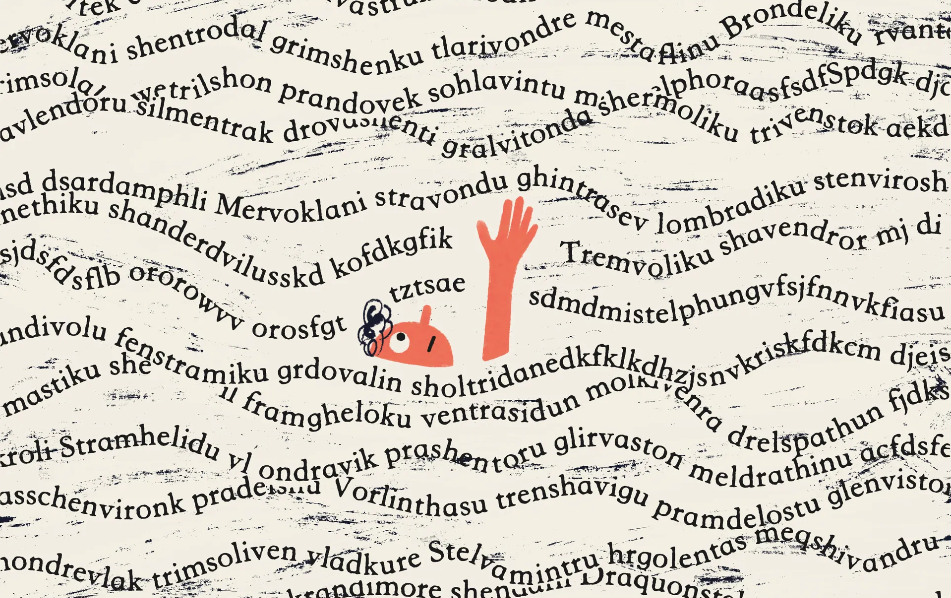
“Spoken language arose at least fifty thousand years ago, and the brain has evolved with it. As a consequence, most children learn to speak early and easily, without formal instruction. (Deaf children pick up signing readily, too.) Reading and writing are different. They were invented only about five thousand years ago, and natural selection has not configured the brain to facilitate them. “You can’t just lock a group of kindergartners in a library and expect them to emerge, a couple of weeks later, as readers,” Gaab told me. “It’s more like learning a musical instrument. You can listen to Mozart all your life, but if I put you in front of a piano and say, ‘Play Mozart,’ you will fail.”” - Read more at the link above!
Science of Reading (the podcast) Essentials: Dyslexia
Published October 8, 2025
“In this special dyslexia-focused Essentials episode of Science of Reading: The Podcast, Susan Lambert pulls from past episodes to summarize everything you need to know about dyslexia, from experts Emily Lutrick, Ed.D.; Nadine Gaab, Ph.D.; Tim Odegard, Ph.D.; Sally Shaywitz, M.D.; and Francisco Usero-González, Ph.D. You'll also hear first-hand accounts from young people about their personal experiences with dyslexia, reading, and the education system. Even if you have little prior knowledge of dyslexia, you’ll walk away from this episode with a foundational understanding of the condition, including what it is, what causes it, how to identify it, the importance of early screening, how it is a continuum, methods for intervention, and more.”

Brain Development Signals Reading Challenges Long Before Kindergarten | Developmental trajectories of children with and without reading disabilities start to diverge around 18 months, rather than at 5 or 6 years old. — The 74
Published September 19, 2025
“Klass points to the new Harvard research to underscore how early that “brain the child takes to school” begins developing. For years, a prevailing attitude has been that a child starts learning to read in pre-K or kindergarten. A longitudinal study by Gaab and her colleagues using MRI scans and an array of other assessments confirmed that the bases for reading skills begin to develop in the child’s brain by birth and continue building between infancy and preschool.”
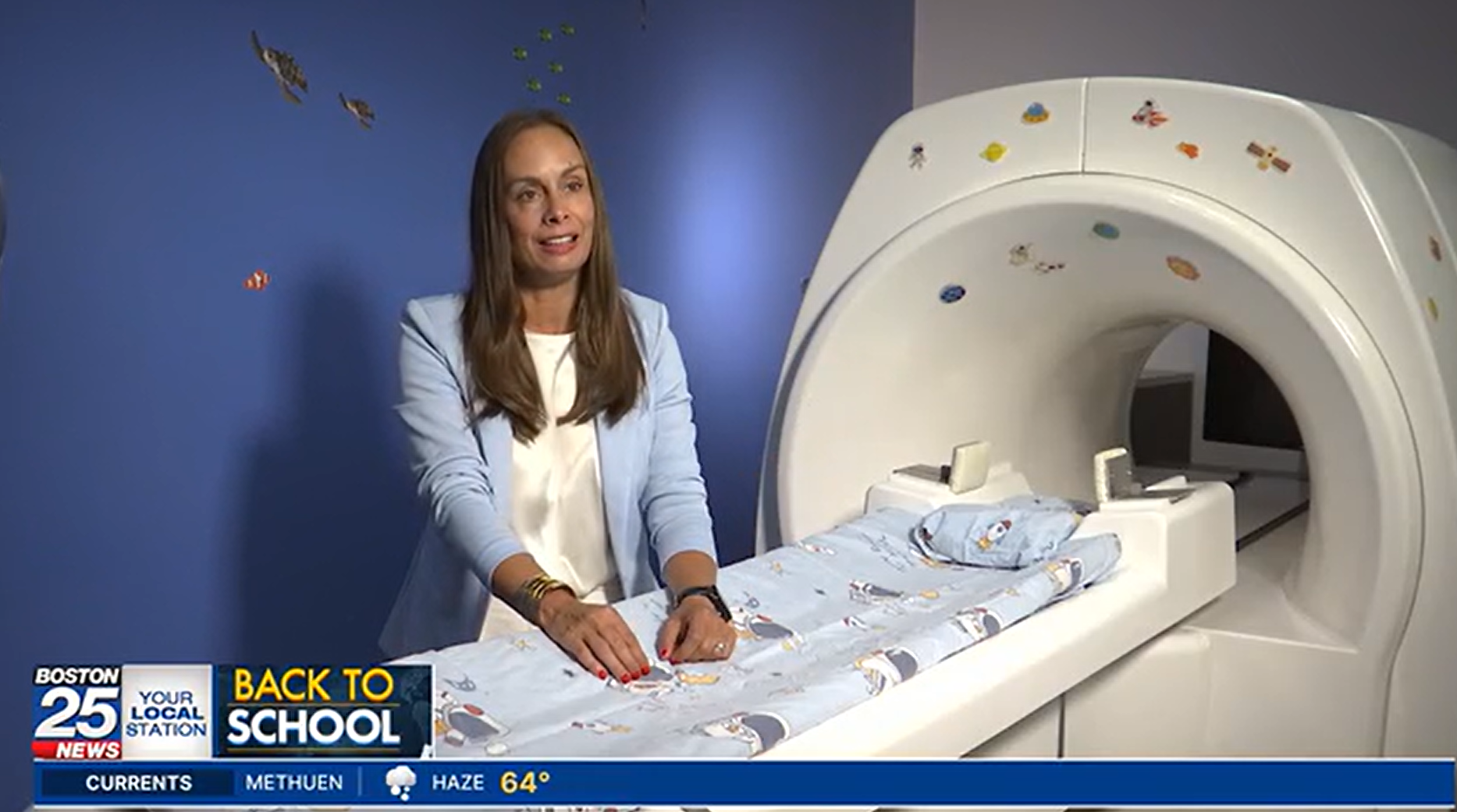
Harvard researcher working to identify students with reading problems at younger ages — Boston 25 news
Published September 5, 2025
“A big problem in schools is the troubling number of students who read below their grade level.
Nadine Gaab, Ph.D., an associate professor of education at the Harvard Graduate School of Education, says early detection of a literacy issue is key to a student’s success.”
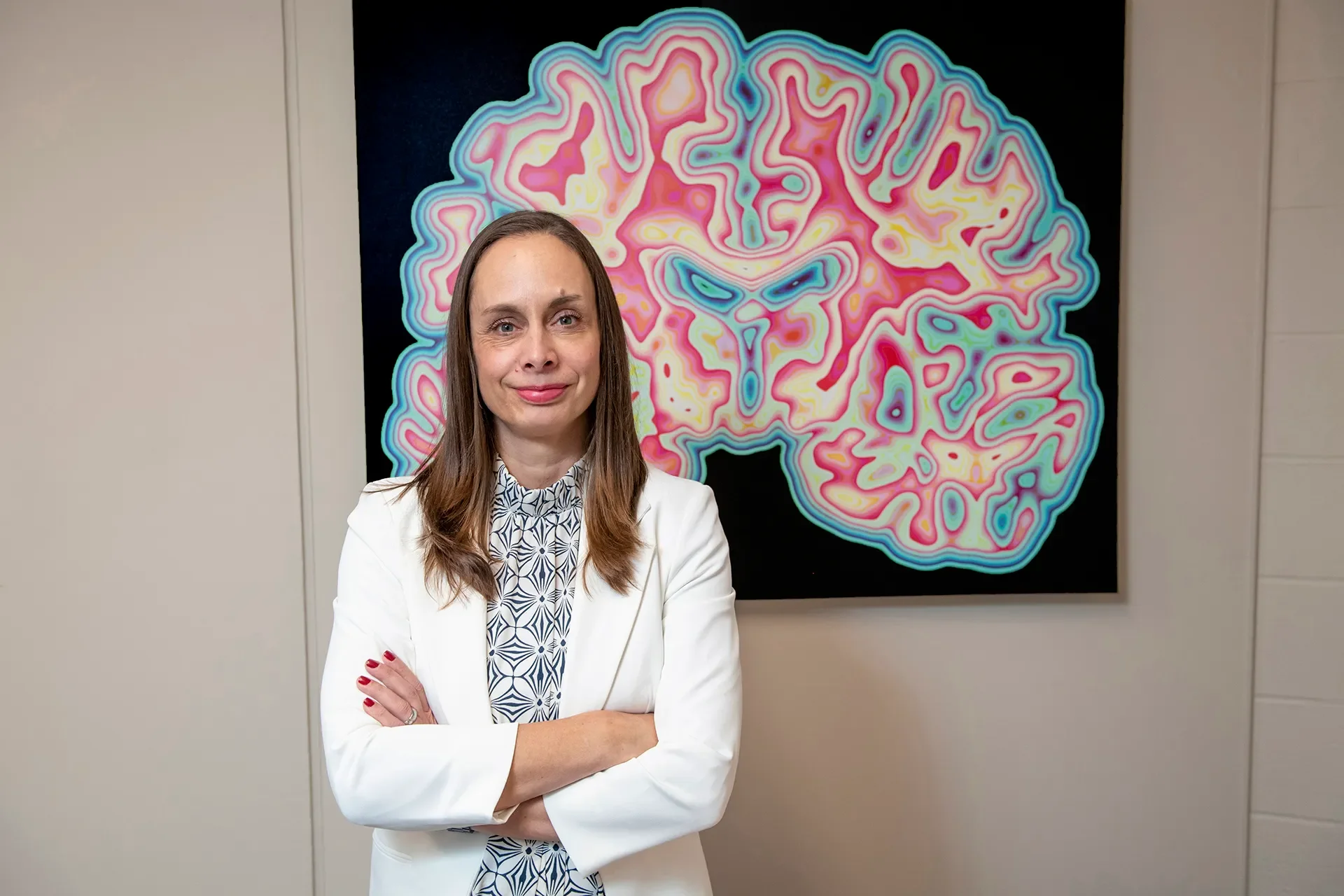
How do math, reading skills overlap? | Researchers were closing in on answers. Grant terminated at critical point of ambitious study following students for five years — Harvard Gazette
Published July 23, 2025
“For cognitive neuroscientist Nadine Gaab, the termination of a five-year grant one year before it was scheduled to end couldn’t have come at a worse moment. As part of a study aimed at understanding the co-development of math and reading skills over time from preschool through elementary school, Gaab and her team of researchers had followed 163 students for up to four years. In May, before the study’s final year, they were preparing to test the participants to see which children were on the trajectory to develop math and reading problems.”
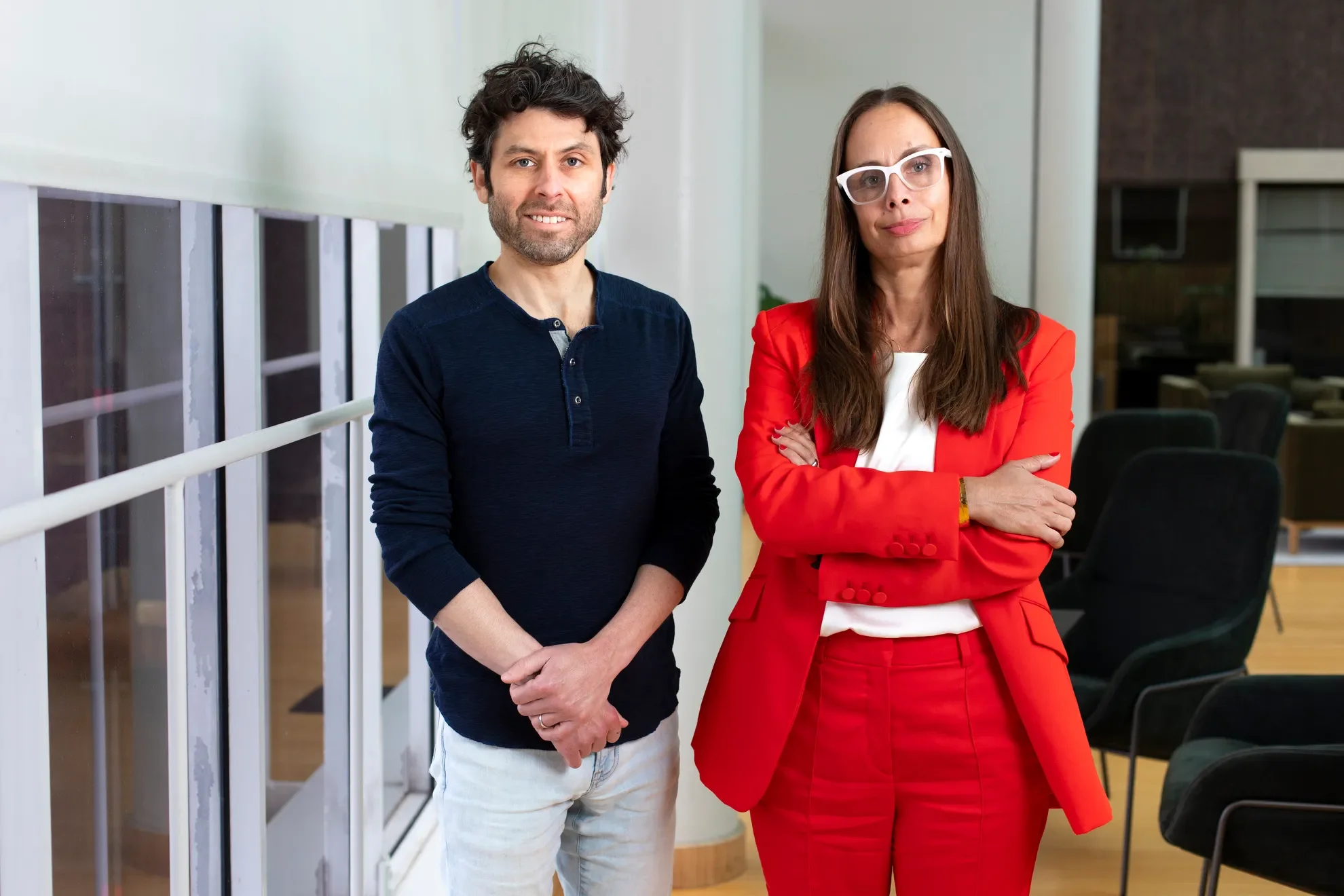
Reading skills — and struggles — manifest earlier than thought | New finding underscores need to intervene before kids start school, say researchers — Harvard Gazette
Published June 23, 2025
“The study, out of the lab of Nadine Gaab, associate professor of education, found that trajectories between kids with and without reading disabilities start diverging around 18 months of age — not at age 5 or 6 as previously thought. The finding could have serious implications for policy, said Gaab, because it underscores the need for early identification of struggling readers, early intervention, and improved early literacy curricula in preschools.”

EarlyBird: Addressing dyslexia through game play — Boston Children’s Hospital
Published October 1, 2024
”In the 2010s, researchers led by Boston Children’s cognitive neuroscientist Nadine Gaab, PhD, (now at the Harvard Graduate School of Education) showed that having children as young as 4 perform a set of specialized language tasks could predict their risk for dyslexia. The tasks call on children to recognize and manipulate parts of spoken words like syllables and consonant and vowel sounds — backbone skills needed for reading.
Based on the research, Gaab created and validated a tool for identifying dyslexia risk before children start formal schooling. IDHA then worked with experts in early childhood gaming to make the tool fun, supported by donations from family foundations.”
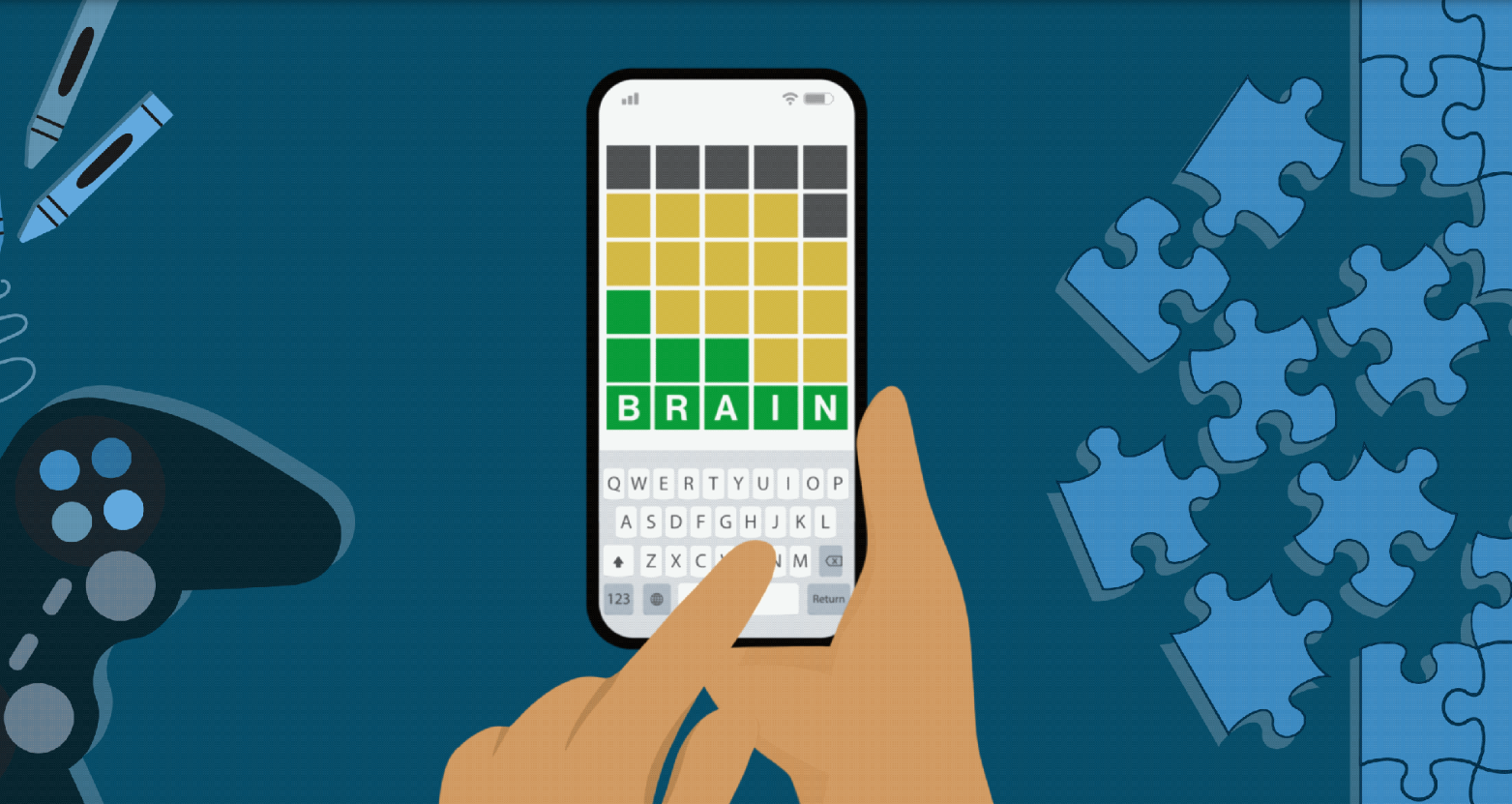
Should kids play Wordle? | Early childhood development expert has news for parents who think the popular online game will turn their children into super readers — Harvard Gazette
Published August 12, 2024
“Wordle can be one of many of activities you play with your kids, but parents shouldn’t think it’s going to turn their kids into superior readers. My recommendation is to read to your child every day and start playing fun letter games early on. Our lab did several studies showing that home literacy is correlated with brain development, especially for the reading-related areas.”
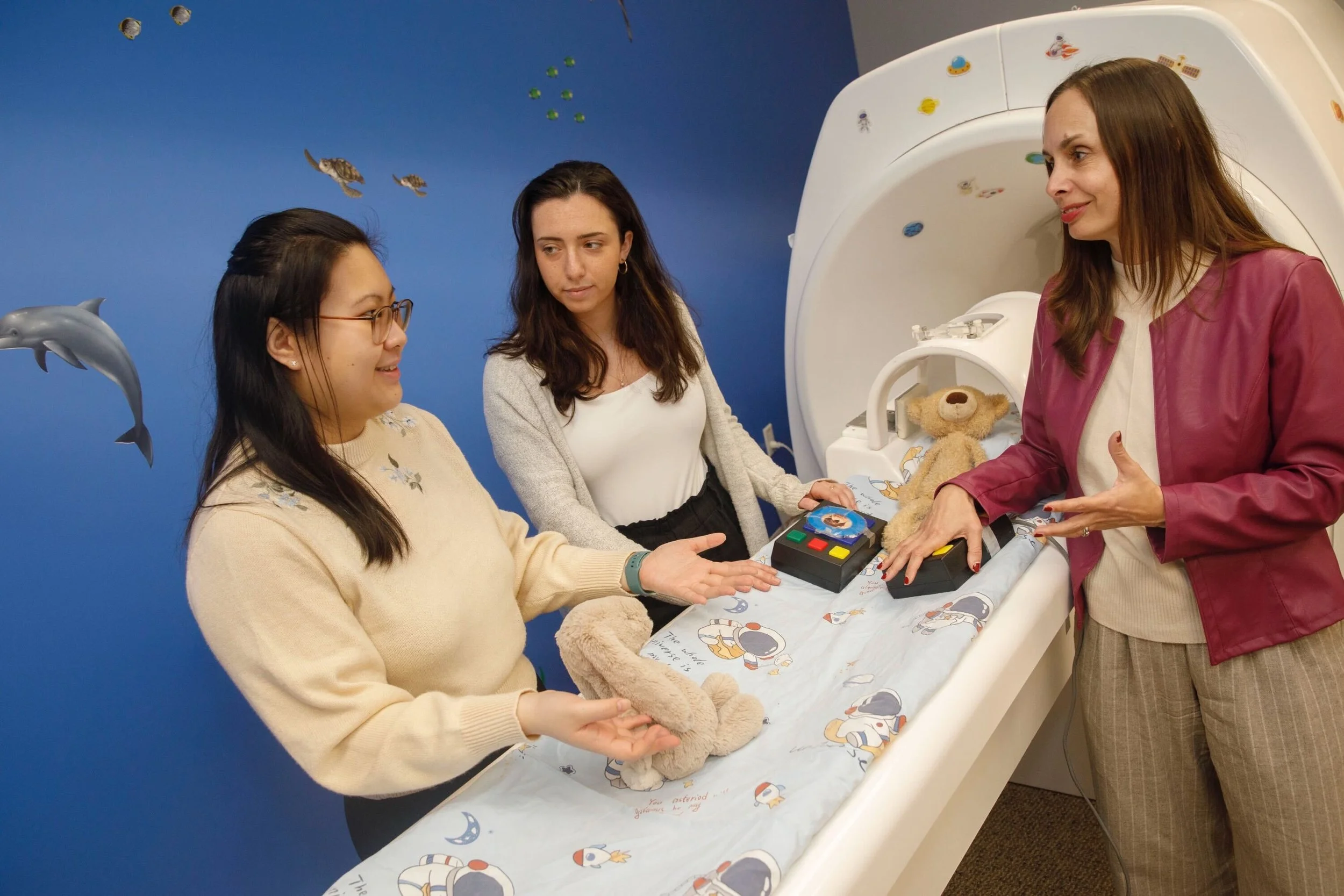
Harvard lab’s research suggests at-risk kids can be identified before they ever struggle in school — Harvard Gazette
Published April 4, 2024
“In its Boston Longitudinal Dyslexia Study (BOLD), started in 2007, the lab found that some of the brain characteristics reported in the third or fourth grade were already present in preschoolers. The findings piqued Gaab’s curiosity and pushed her team to launch a follow-up study in 2011 to see how early these markers could be seen.
In its ongoing BabyBOLD study, Gaab’s team enrolls infants between 3 and 8 months old who have a familial risk for reading disabilities — perhaps a parent or sibling has dyslexia — and monitor them until elementary or middle school. They’ve found that some atypical brain characteristics involving white matter (where information and communication is exchanged), connectivity patterns, and other measurements found in older children are already present as early as infancy.”

In Massachusetts’ richest towns, many top-ranked schools cling to outdated methods of teaching reading — bostonglobe.com
Published January 10, 2024

Does Nature or Nurture Determine Musical Ability? — Harvard Graduate School of Education
Published March 10, 2023
“The authors, who conducted their study at the Gaab Lab at Harvard, found structural networks in infants’ brains, linked to some of the differences that were previously only observed in the brains of musically trained adults or much older children.”
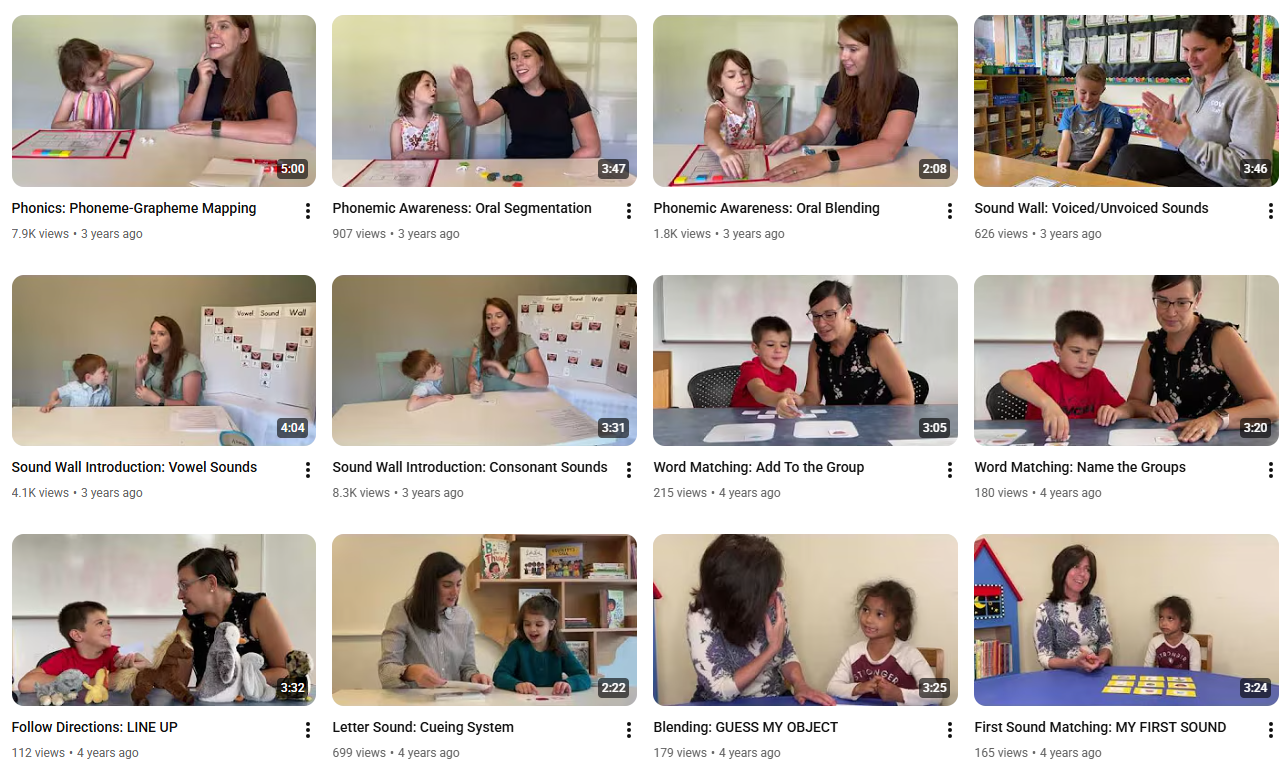
Next Steps in Reading Instruction
Check out our YouTube channel for teaching tips and best practices in teaching specific skills essential for reading development.

Why it costs a fortune to get the best test for disabilities like adhd, autism, dyslexia — USA TODAY
Published March 1, 2022
An interview with Dr. Nadine Gaab was featured in the following story on USA Today on how costly independent evaluations and long waits have come to play an outsize role in the diagnosis and treatment of disabilities, from ADHD to dyslexia.

‘Neuropsych’ evaluations are key for accessing special education services — The Hechinger Report
Published March 1, 2022
Dr. Nadine Gaab was interviewed for the following article on how costly independent “neuropsych” evaluations have come to play an outsize role in the diagnosis and treatment of numerous disabilities. You can read the full article in The Hechinger Report here.

The Truth About Reading (Teaser) 2022
Learn more at: https://thetruthaboutreading.com/
Published September 30, 2021

White matter density in our brains at birth may influence how easily we learn to understand and use language — ZME Science
Published September 27, 2021
“The study followed dozens of newborns over the course of five years, looking to establish how brain structure during infancy relates to the ability to learn language during early life. While these results definitely show that natural factors influence said ability, they’re also encouraging — upbringing, or nurture, has a sizable influence on a child’s ability to develop their understanding and use of language.”
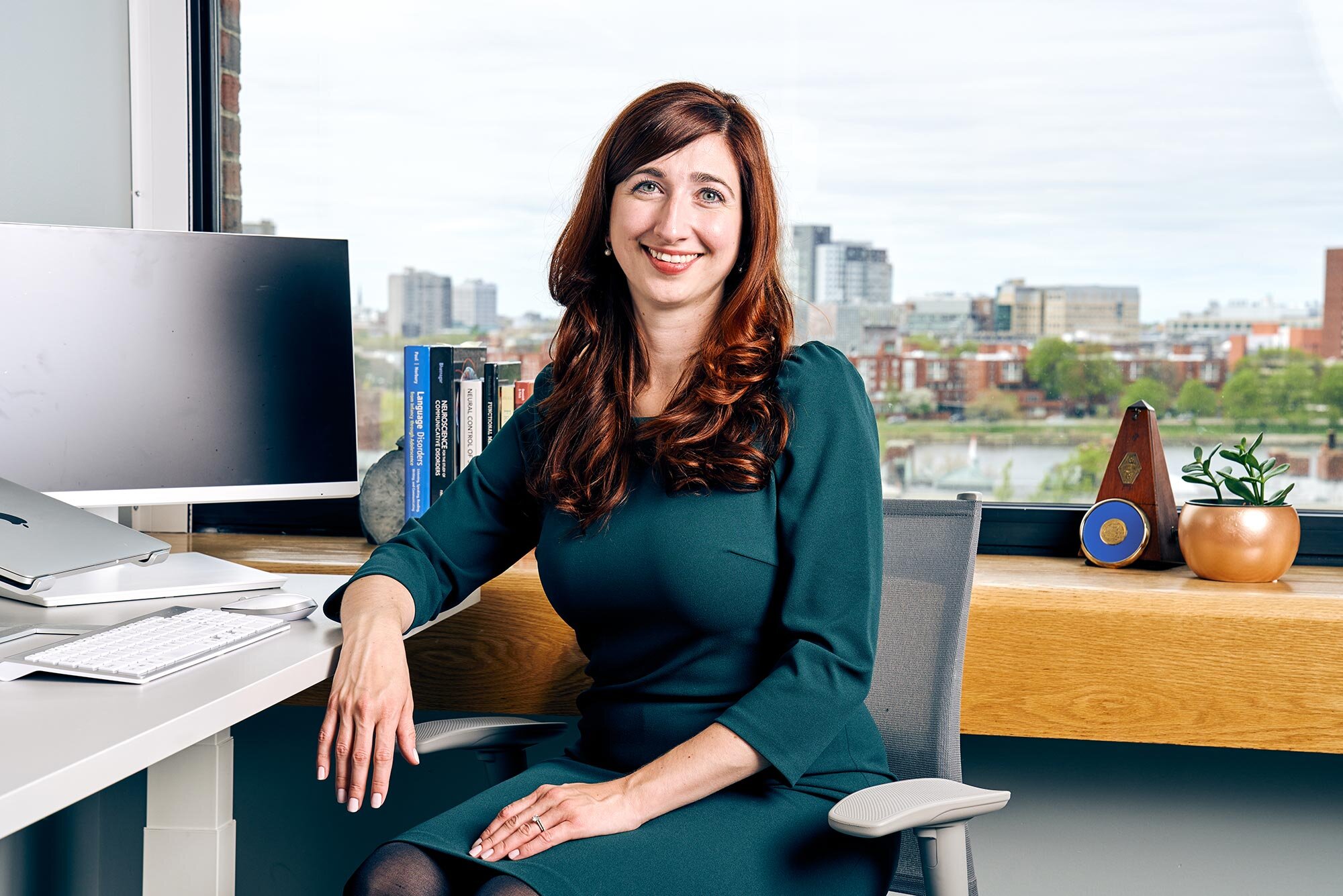
Jenny Zuk, Gaab Lab alumna and Assistant Professor at Boston University.
When it comes to communication skills, maybe we’re born with it? — Science Daily
Published September 24, 2021
ScienceDaily: Neuroscientists find brain matter makeup in infancy is linked to children’s degree of language skills at five years old.
Source: Boston University
Link: http://www.sciencedaily.com/releases/2021/09/210924182533.htm

How the brain learns to read
Published August 2, 2021
Associate Professor of Education Nadine Gaab explains how regions of a child’s brain work together to turn reading into learning.

Dr. Kevin Pelphrey, a co-author on the paper
Autism develops differently in girls than boys, new research suggests — Eureka-Alert
Published April 16, 2021
Research findings of an article co-authored by Dr. Gaab was featured on EurekaAlert! The research suggests that girls and boys with autism spectrum disorder (ASD) have significantly different genetic underpinnings, suggesting that the trajectory of the disease is different among genders. Given that autism is more common among boys, these findings also further our understanding of causes of the disorder among girls.

Child self-administering Early Literacy Screener at BCH
Pre-to-3: App uses medical model to screen for dyslexia
Published October 11, 2019
The Gaab Lab’s Early Literacy Screener was featured in an article titled, “Pre-to-3: App uses medical model to screen for dyslexia” on Education Dive. You can read the full article here.

Dr. Gaab and the other MIT SOLVERS for the Early Childhood Development category
MIT SOLVE Grant
September 22, 2019
Dr. Gaab presented the Early Literacy Screener at the MIT SOLVE finals on September 22nd. The Early Literacy Screener won the MIT SOLVER award, the associated award from Dubai Cares, and the Innospark award – a Boston VC – to support the expansion of AI for the product!

The game that can spot preschoolers at risk for reading deficits
January 9, 2020
The Gaab Lab’s Early Literacy Screener was featured in an article titled, “The game that can spot preschoolers at risk for reading deficits” on The Hechinger Report. You can read the full article here.