
Events
i2i Workshop NYU Langone
i2i Workshop NYU Langone
Dr. Gaab will talk about how we can use neuroimaging to explore typical and atypical learning trajectories from infancy to adolescence. The talk will take place in Session #2 “How We Learn” from 10:45-11:15am.
From the CAI2R website, regarding the i2i Workshop:
“The i2i Workshop combines thought-provoking ideas on the latest imaging science with the energy, enthusiasm, and fun of convening with researchers from across the country and the globe in one of the world’s most dynamic cities. We are hoping to see you at the workshop and are looking forward to hosting you in October. At the i2i Workshop, we take the latest research breakthroughs as a point of departure to ask big questions about the future of biomedical imaging. Our inaugural meeting in 2016 featured sessions titled “our dream scanners” and “the information tsunami.” The 2018 workshop included sessions dedicated to portable MRI scanners and emerging flexible RF coil technologies. The 2023 sessions explored a broad look at vision, sight, and imaging across modalities, length scales, and domains of inquiry. Registration is $250 and includes admission to the scientific sessions; breakfast and lunch on both days; i2i Dinner on day one; and a closing evening reception on day two.”
Come join us if you’re able to! Learn more and register for the Workshop here: https://cai2r.net/training/i2i-workshop/
Parents for Reading Justice Professional Learning Community
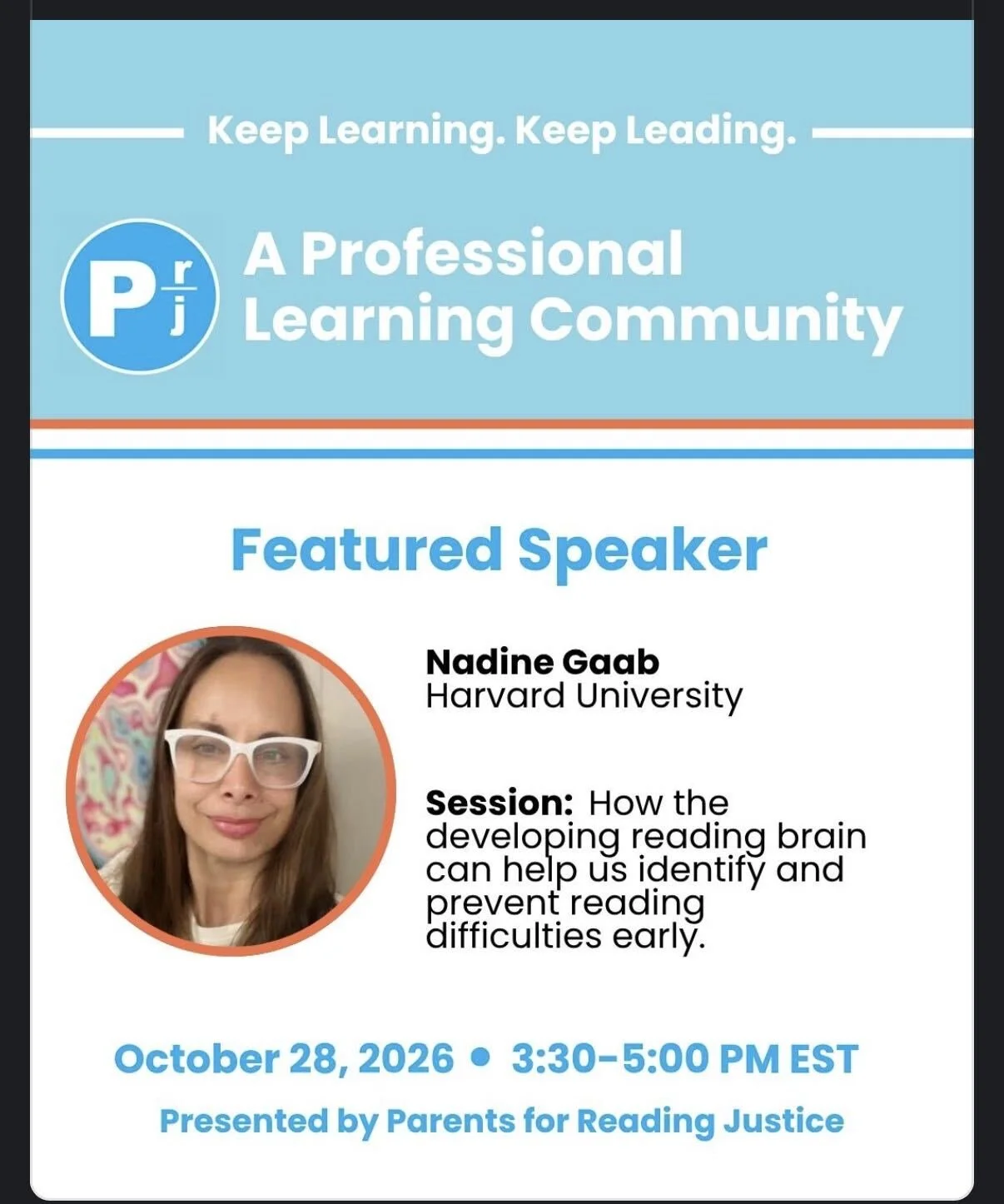
Parents for Reading Justice Professional Learning Community
Come listen to Nadine speak at this quarter’s Parents for Reading Justice Professional Learning Community! This event is “a free quarterly learning series designed to bring parents, educators, advocates, and community leaders together with some of the nation’s leading voices in reading science, advocacy, and literacy policy.” This group gathers four times a year “for conversations that help us stay informed, connected, and equipped to strengthen literacy outcomes for all children.”
Registration is FREE and this event is fully virtual! Read more and register here.

26th Annual Developmental Disabilities: An Update for Health Professionals
26th Annual Developmental Disabilities: An Update for Health Professionals on March 4th, 2027
Dr. Nadine Gaab will be presenting on Effective Screening for Learning Disabilities at the 26th Annual Developmental Disabilities Update for Health Professionals on March 4th, 2027! This conference is fully virtual, and will cover a broad range of topics related to improving the quality of care for individuals with developmental disabilities.
Read more about the conference and register here: https://ucsf.cloud-cme.com/course/courseoverview?P=0&EID=23505
NJIDA Annual Fall Conference
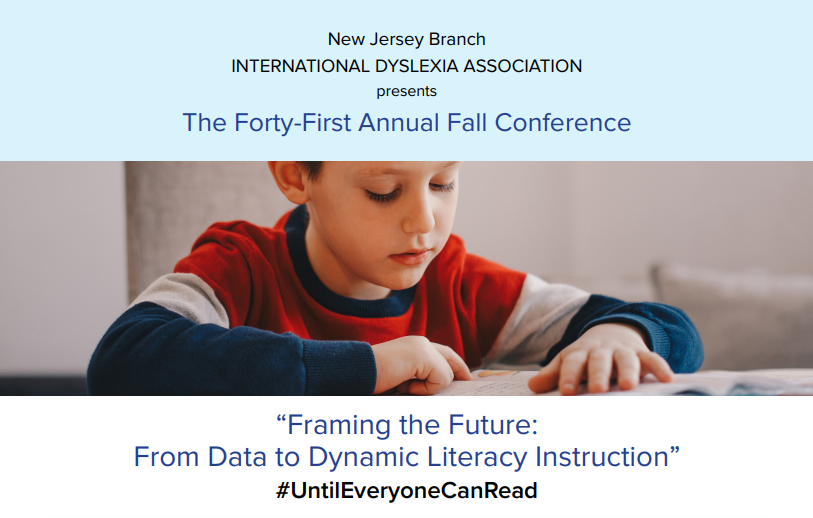
The New Jersey Branch IDA Fall Conference
If you’re planning to attend the NJIDA Fall conference, check out Dr. Nadine Gaab’s talk on October 16th at 10:30a! More about the talk below, from the NJIDA Website:
Session 1: The Reading Brain from Womb to Classroom: Typical and Atypical Development, the dyslexia paradox, and Implications for a Preventative Education Model
Description: Learning to read is a pivotal milestone in a child’s life, and it is associated with many vocational, economic, and health indices. This talk will give an overview of children’s reading development and cover the typical milestones of learning to read, the brain regions involved in reading and literacy development, and what aspects of a child’s home and community support learning to read. Furthermore, we will cover the role of oral language in typical and atypical reading development, including dyslexia, and provide an overview of reading disabilities as well as early identification. We will conclude with a discussion on how we can work together as a community of professional, educational, and community stakeholders to maximize the joy of learning to read.
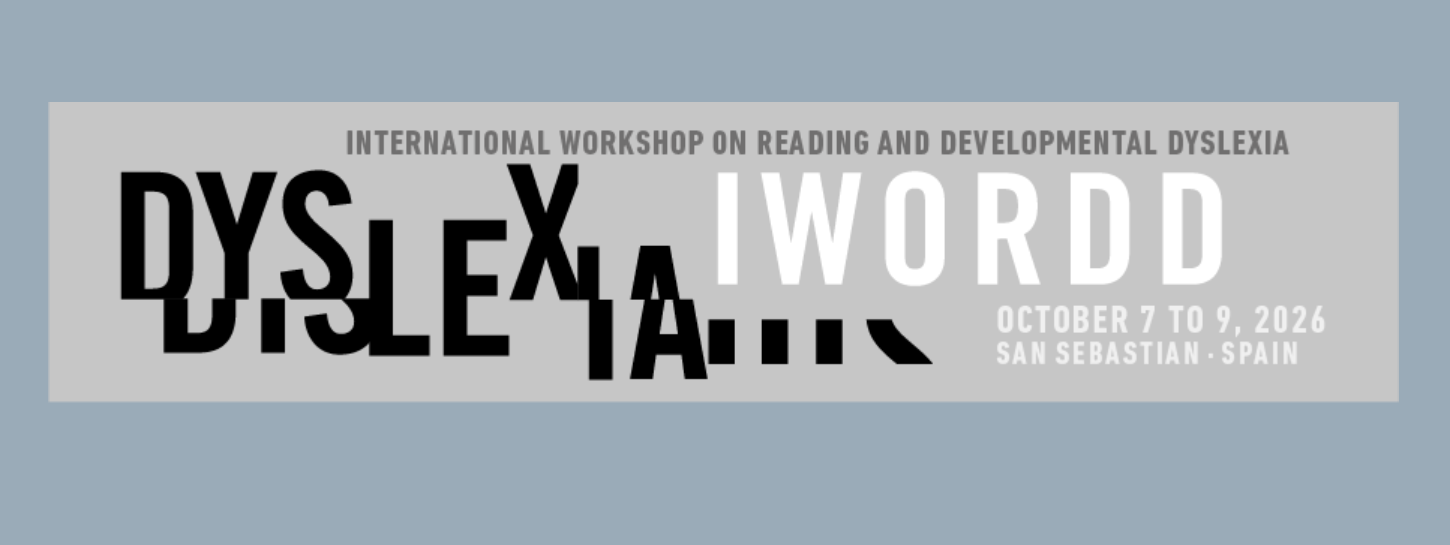
International Workshop on Reading and Developmental Dyslexia (IWORDD)
International Workshop on Reading and Developmental Dyslexia (IWORDD)
See Dr. Nadine Gaab speak at this year’s iWORDD meeting! More information to come closer to the event, but for now, see below regarding the event:
“The fifth edition of iWORDD will offer the research community a unique opportunity to gain a comprehensive overview of current theories and methodological advances in the study of developmental dyslexia and reading acquisition, with a special focus this year on bridging brain and behavioural sciences of reading. This edition of iWORDD aims to foster dialogue between two research traditions that have often evolved in parallel, promoting greater integration between brain-based and cognitive-behavioural perspectives. The ultimate goal is to advance our understanding of the multifactorial mechanisms underlying both causal and compensatory factors associated with reading difficulties, across multiple levels of analysis — including genetics, brain, cognition, and environment.”
For more information and registration fees, see here: https://www.bcbl.eu/events/iwordd/en/
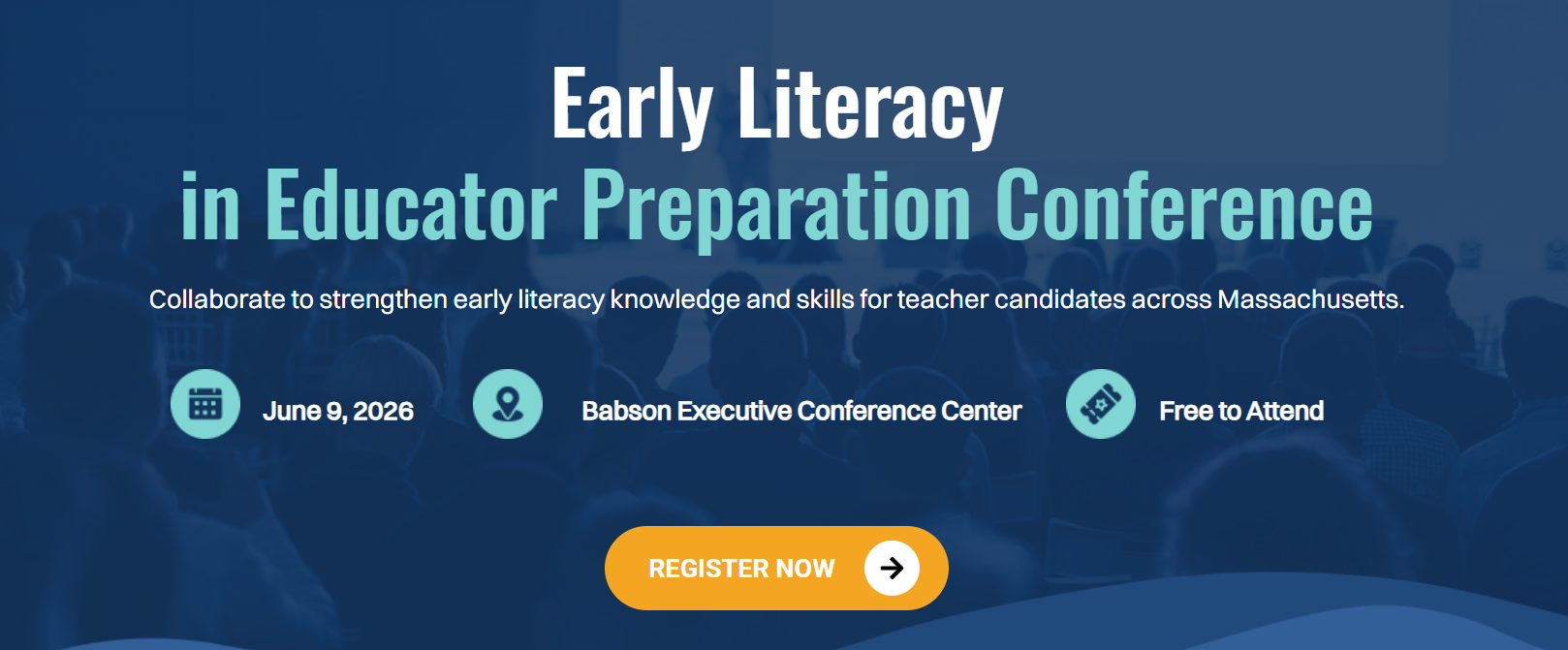
Early Literacy in Educator Preparation Conference
Come see Dr. Nadine Gaab speak about the neurobiology of the reading brain at this year’s Early Literacy in Educator Preparation Conference (free to attend)! Read more about the conference below:
“The Early Literacy in Educator Preparation Conference is free to attend, thanks to funding from the Massachusetts Department of Elementary and Secondary Education’s Literacy Launch Initiative.
This conference is intended for individuals directly connected to educator preparation programs in Massachusetts — including faculty, program leaders, administrators, and district or organizational partners who work directly with educator preparation providers. If you are unsure whether this conference is the right fit for you, please feel free to reach out before registering.”
The Future of Psychology of Language
The invited speakers are:
Julian Jara-Ettinger, Yale University
Title of the talk: Inside the loop: language, cognition, and how to study them
Nadine Gaab, Harvard Graduate School of Education
Title of the talk: From the womb to the classroom: How a neurobiological framework of early language and reading development can Inform educational practice and policy
Reyna Gordon, Vanderbilt University
Title of the talk: Understanding the connections between Language, Musicality, and Health through an Integrative Science Approach
This workshop will be held online at the link below. All welcome!
https://mpi-nl.zoom-x.de/j/61592632224?pwd=VAUSppbfIewl4vth5maS1pLXVE5Kbq.1
See more here: https://www.mpi.nl/events/1st-workshop-future-psychology-language
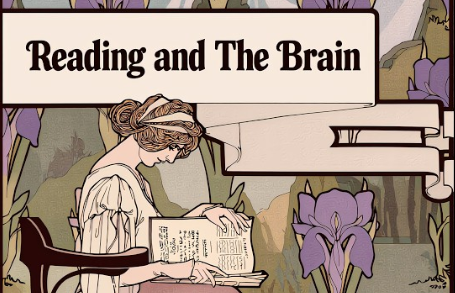
Reading and The Brain
This roundtable discussion, hosted by The Helix Center will consider the power of words as evidenced by brain imaging; child development; storytelling in medical settings; reading in community, and, in this age of screens and AI, the ability to nurture critical thinking habits
This event is free and open to the public! See more information here: https://www.helixcenter.org/roundtables/reading-and-the-brain/
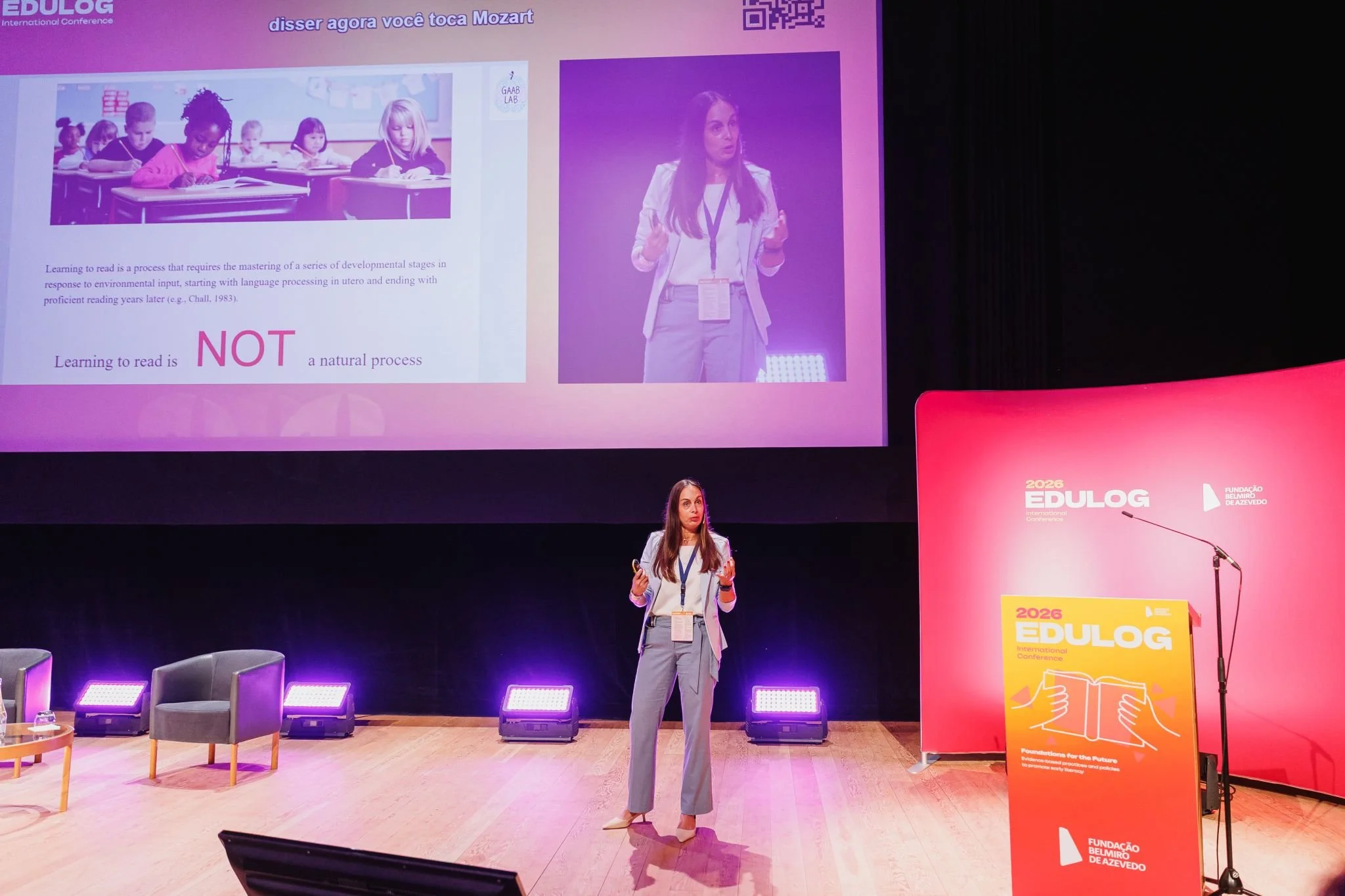
EDULOG International Conference 2026
If you’re attending EDULOG 2026 International Conference (the conference is free to attend!), stop by Dr. Nadine Gaab’s talk at 11:45am!
Talk title: Building strong foundations: Cognitive and language development
For more information on the conference and how to register, see here: https://evento.edulog.pt/index_en.html
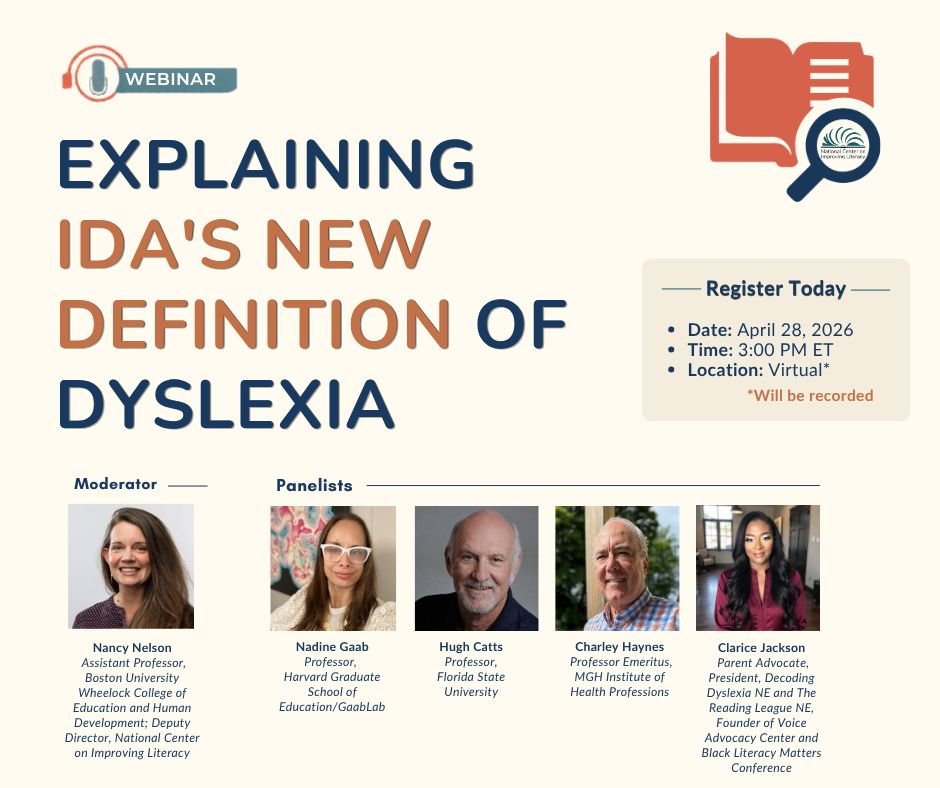
Explaining IDA's New Definition of Dyslexia
“For the first time in more than 20 years, the International Dyslexia Association has updated its definition of dyslexia.”
This Reading the Room panel will focus on unpacking the International Dyslexia Association's (IDA) 2025 definition of dyslexia. Literacy leaders and reading researchers will come together to highlight similarities and differences between the 2002 and 2025 definitions. Panelists will also share their perspectives on how the updated definition might inform conversations about assessment, instruction, and related supports for students with or at risk for dyslexia.
Language and Literacy Conference
In-Person Only, $20 registration fee for 2-day conference.
Learning to read is a pivotal milestone in a child's life, and it is associated with many vocational, economic, and health indices. This talk will give an overview of children’s reading development and cover the typical milestones of learning to read, the brain regions involved in reading and literacy development, and what aspects of a child's home and community support learning to read. Furthermore, we will cover the role of oral language in typical and atypical reading development and provide an overview of reading disabilities, including a deeper look at the new dyslexia definition and early identification and screening approaches. We will conclude with a discussion on how we can work together as a community of professional, educational, and community stakeholders to maximize the joy of learning to read.
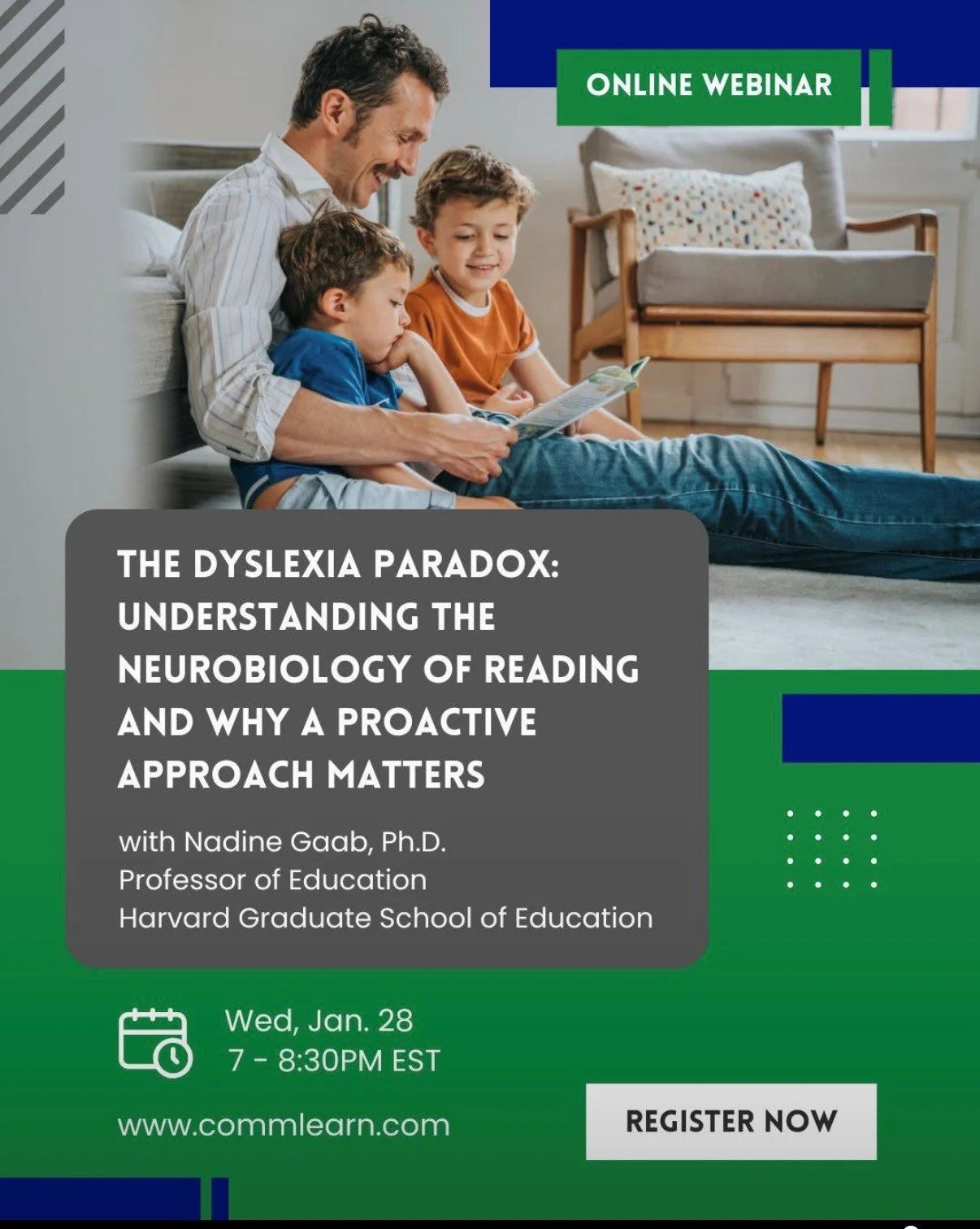
The Dyslexia Paradox: Understanding the Neurobiology of Reading and Why a Proactive Approach Matters
In this webinar targeted to parents, caregivers, and educators of elementary school students, Nadine Gaab, Ph.D., Professor of Education at the Harvard Graduate School of Education, will give an overview of the typical milestones of and the brain regions involved in literacy development.
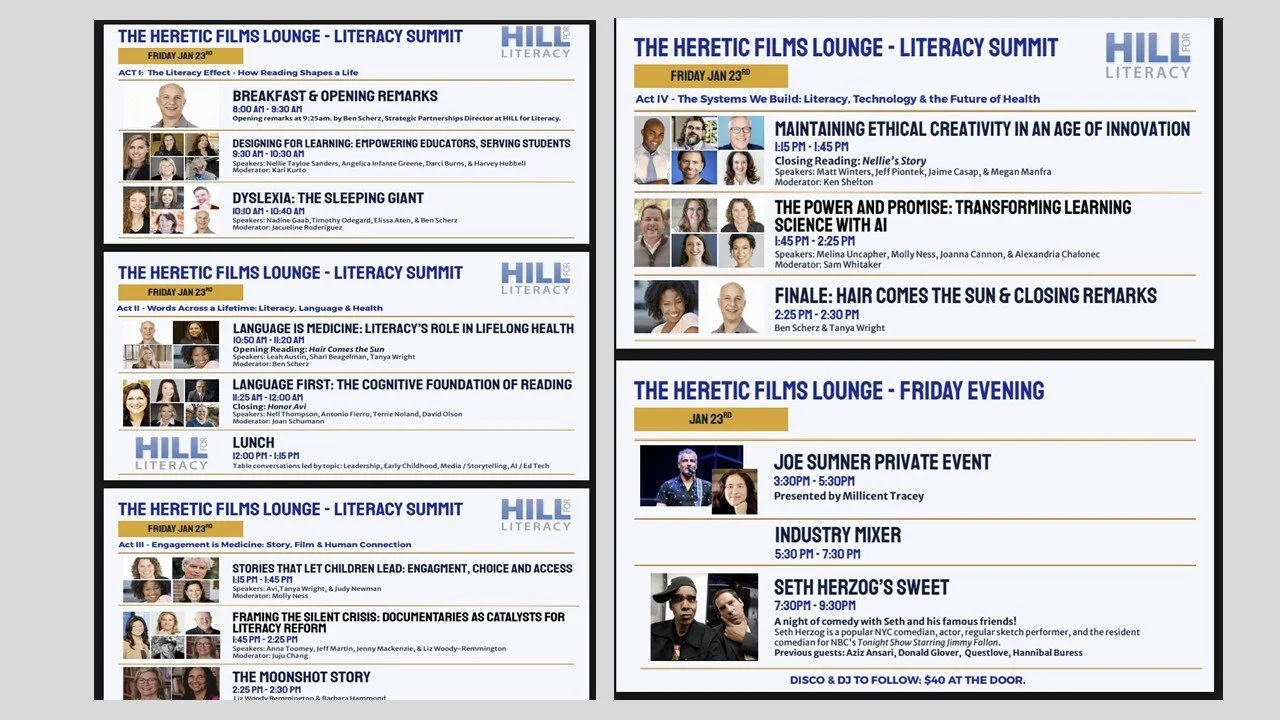
Sundance Film Festival: Literacy Summit
Organized by HILL for Literacy, we will explore a number of important topics around a central topic: literacy is a public health imperative.
Literacy Insight Series | Ep.2: Supporting Students with Dyslexia
Dyslexia is the most common learning disability affecting children, but what does the research actually tell us about how to identify and support students with dyslexia in practice? In this episode, Phil Capin will moderate a discussion with leading scholars Nadine Gaab (Harvard Graduate School of Education) and Tim Odegard (Middle Tennessee State University), exploring how the science of reading can inform effective supports for students with dyslexia across grades and contexts.
Register Here: https://calendar.gse.harvard.edu/en/36YmkP6/g/B9wfbV2eNN/ep-2-supporting-students-with-dyslexia-5a5YUc2KTj3/overview
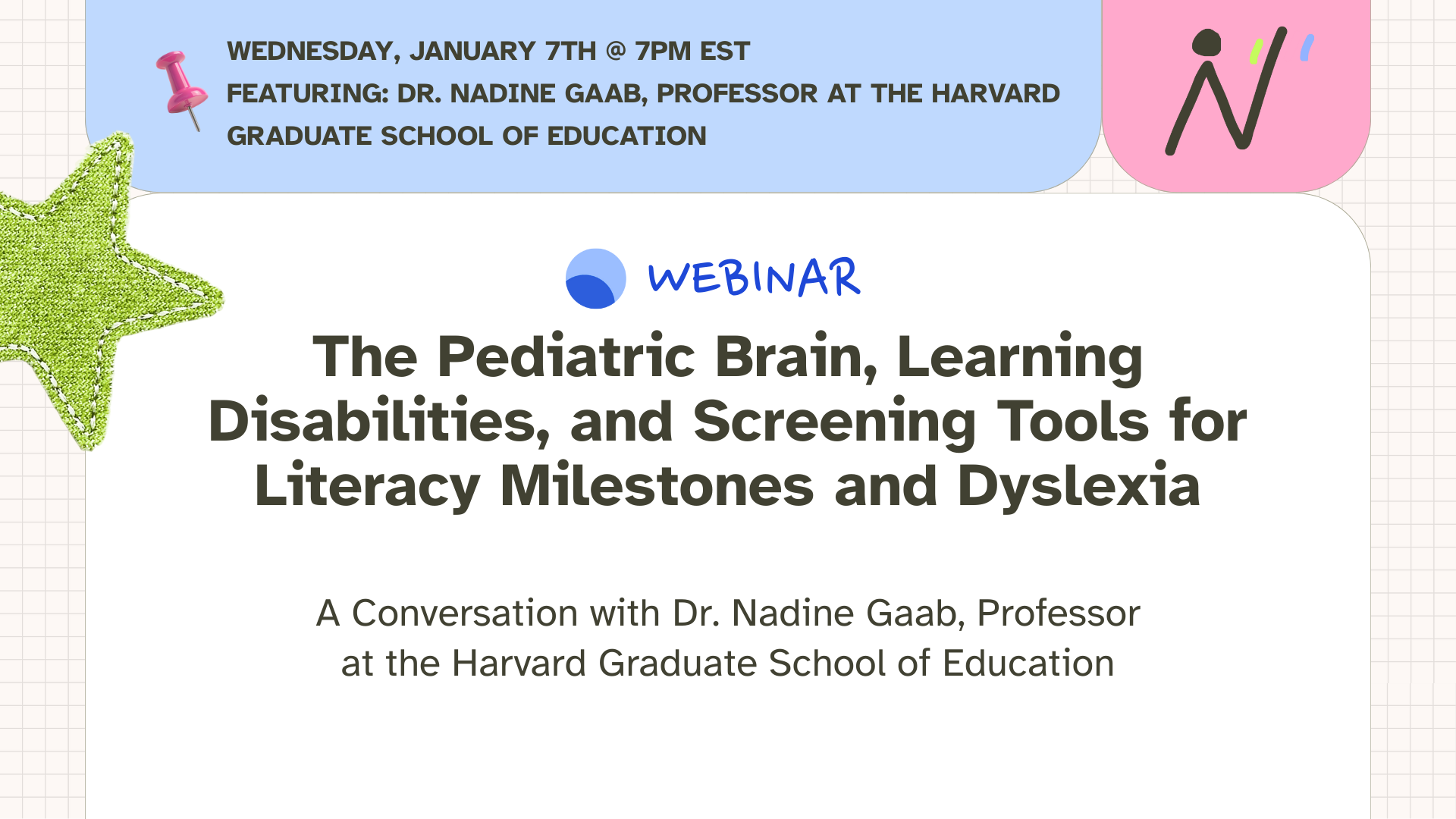
The Pediatric Brain, Learning Disabilities, and Screening Tools for Literacy Milestones and Dyslexia
A Conversation with Dr. Nadine Gaab, Professor at the Harvard Graduate School of Education
This is an essential session for special education teachers, administrators, school psychologists, and related service providers seeking to deepen their understanding of the science of reading and ensure that intervention starts the moment a need is identified.
University of Massachusetts Amherst Cognition and Neuroscience Colloquium Series
Dr. Gaab presented at UMass Amherst Cognition and Neuroscience program’s colloquium series on December 3rd.
When Does learning to Read Start? Neurobiology, Development, and Early Identification of Reading Disabilities
Join Dr. Gaab’s seminar at The American Speech-Language-Hearing Association (ASHA) 2025 Annual Conference in Washington, DC on November 20th at 10:30am!

International Dyslexia Association 2025 Annual Reading, Literacy, and Learning Conference
DyslexiaCon 25 will be hosted in person October 23-25 and on IDA TV as on-demand recordings November 7, 2025. The 3-day Conference will feature the General Opening Session and Symposia from 8 am (EST) to 6 pm (EST) each day with dedicated hours for the IDA Exhibit Hall. Throughout the conference, there will be unlimited opportunities to deepen your knowledge of structured literacy, reading instruction, research, and advocacy.
Bridging Neuroscience and Education: Early Detection and Intervention for Language-Based Learning Disabilities or the Need for Preventative Education
34th Annual Japan Academy of Learning Disabilities Conference in Tokyo, Japan
International Lecture Series at Hiroshima University
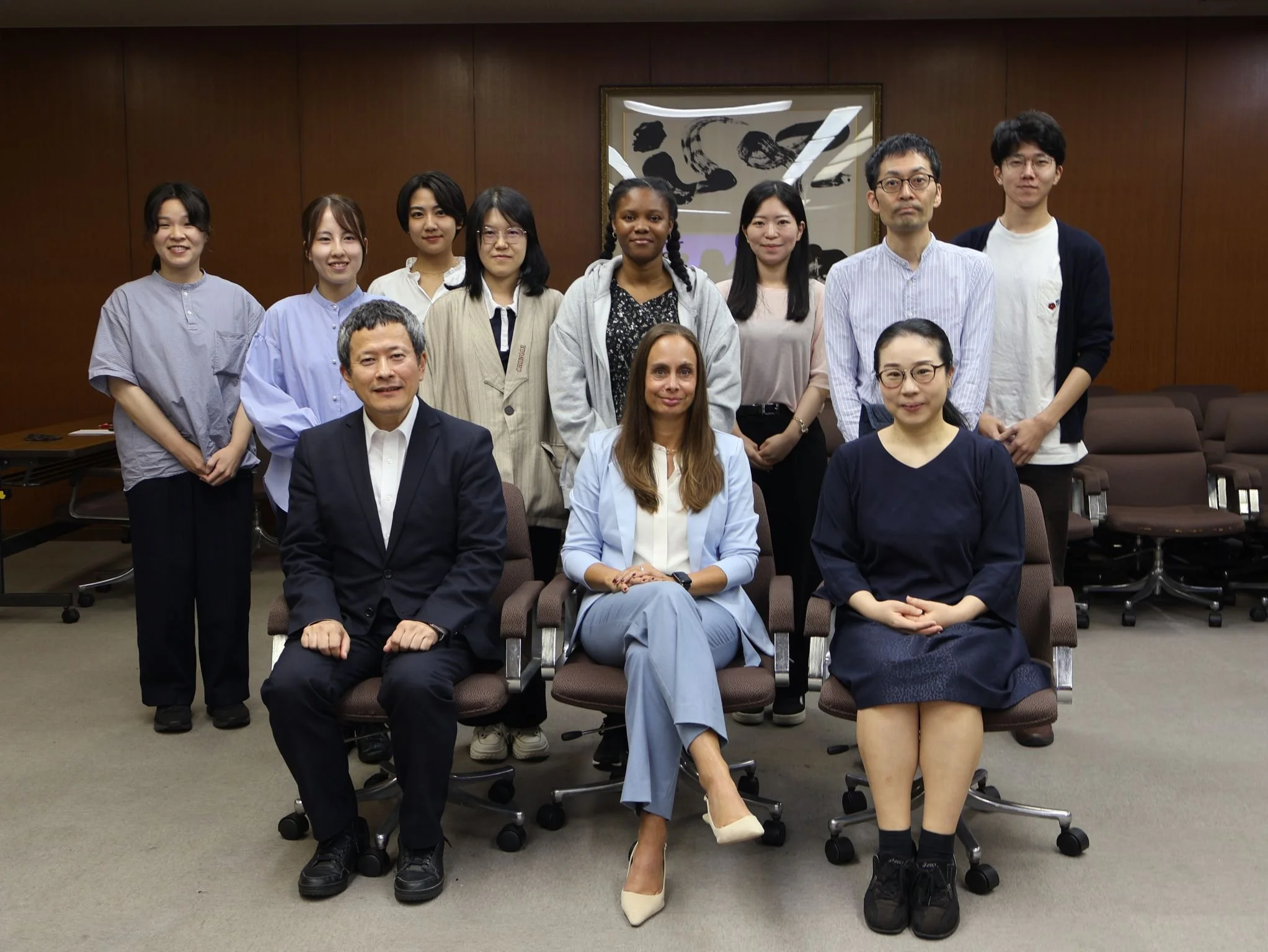
Dr. Gaab visited Hiroshima University and presented a graduate seminar and lecture as part of the International Lecture Series in the Department of Education.
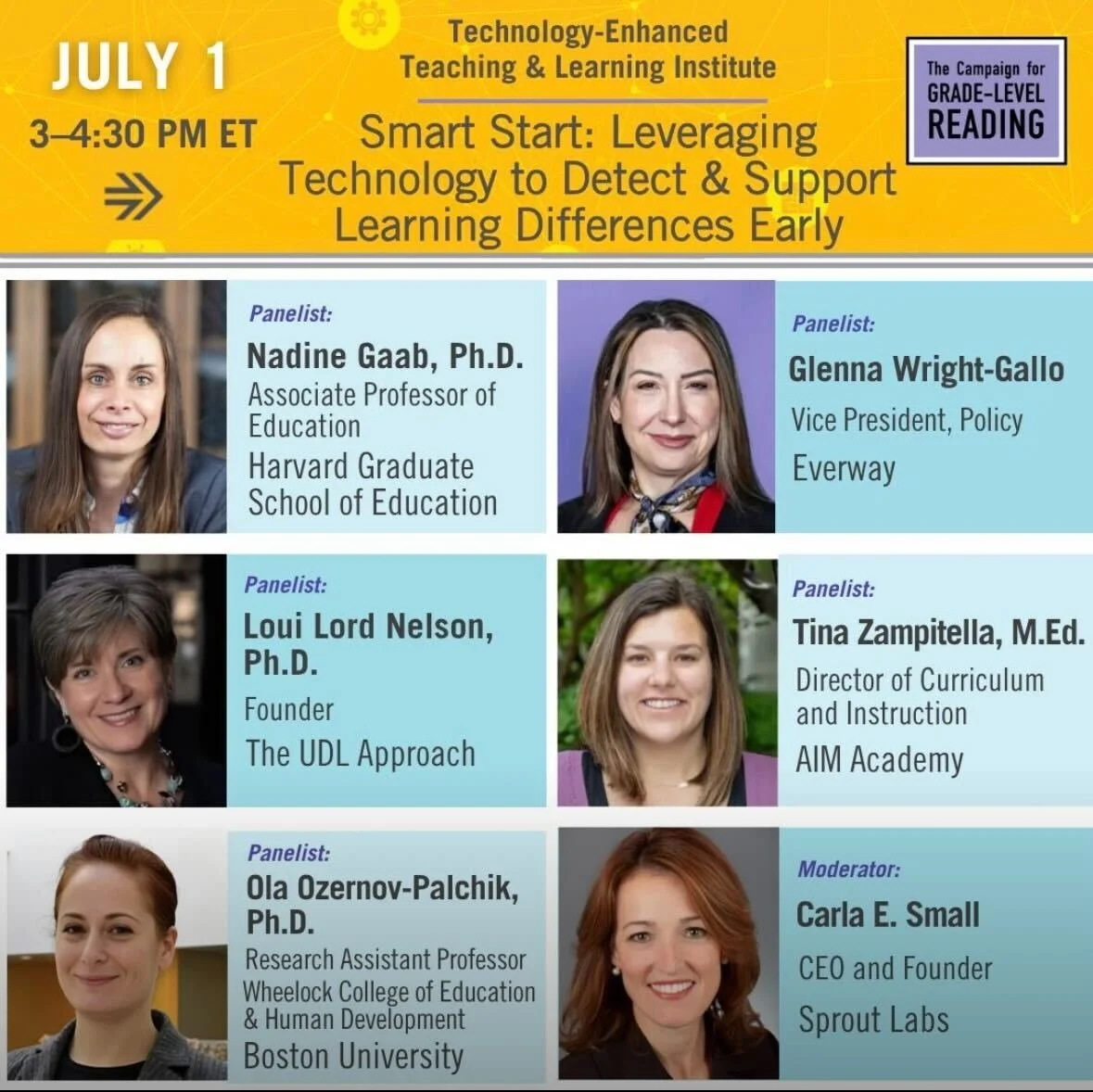
Smart Start: Leveraging Technology to Detect & Support Learning Differences Early
“On July 1, 2025, in the second session in CGLR’s Technology-Enhanced Teaching and Learning Institute, panelists explored the evolution of “assistive technology” that has longed been used to enhance and enable instruction for children who learn differently due to neurodivergence and other conditions affecting knowledge acquisition. Education technology (EdTech) for students with learning differences has come a very long way, and schools across the United States saw an influx of EdTech in the wake of the pandemic aimed at accelerating equitable learning recovery.”
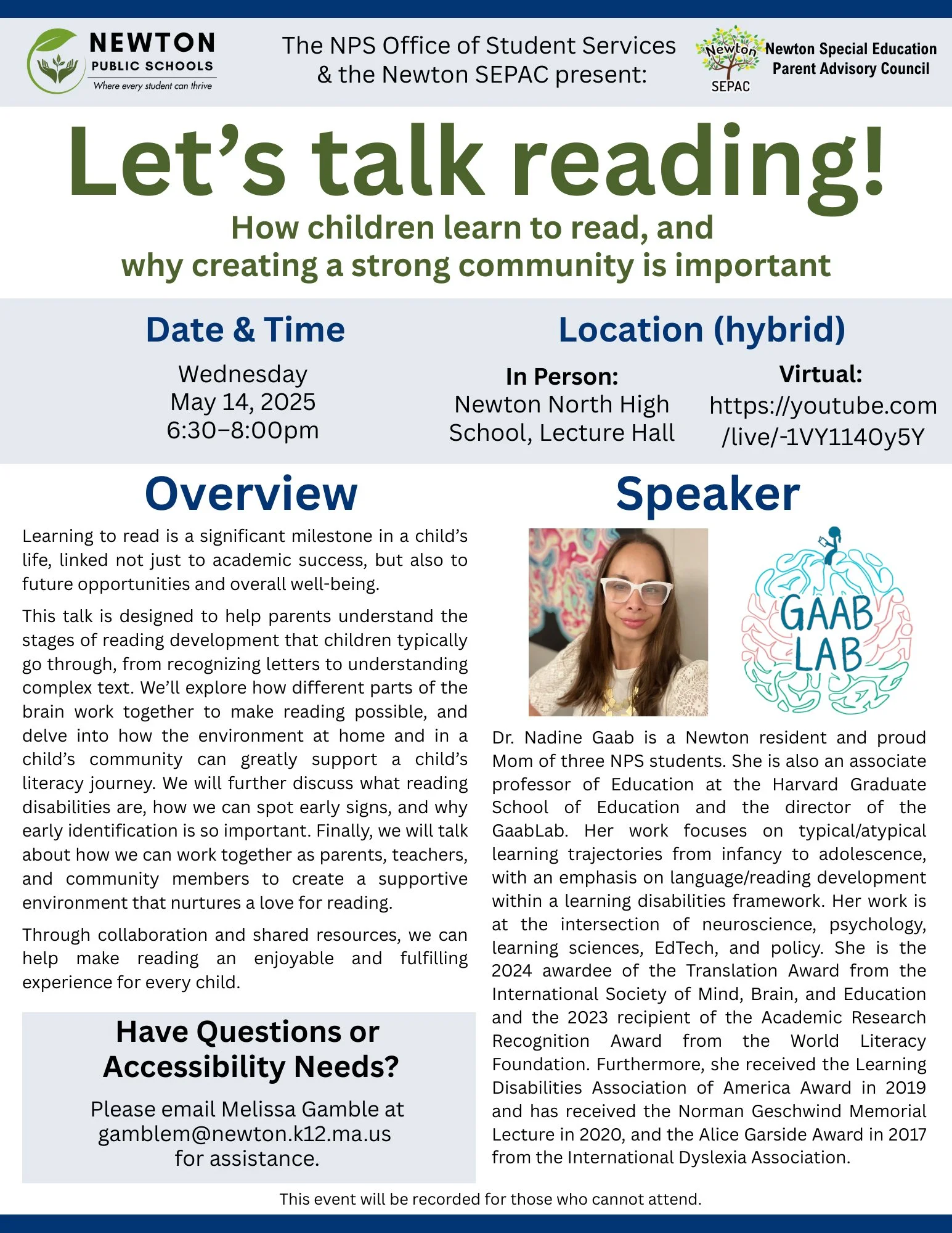
Let's Talk Reading!
Learning to read is a significant milestone in a child's life, linked not just to academic success, but also to future opportunities and overall well-being. This talk is designed to help parents understand the stages of reading development that children typically go through, from recognizing letters to understanding complex text. We'll explore how different parts of the brain work together to make reading possible, and delve into how the environment at home and in a child's community can greatly support a child's literacy journey. We will further discuss what reading disabilities are, how we can spot early signs, and why early identification is so important. Finally, we will talk about how we can work together as parents, teachers, and community members to create a supportive environment that nurtures a love for reading. Through collaboration and shared resources, we can help make reading an enjoyable and fulfilling experience for every child.

Dr. Nadine Gaab. - Dyslexia, Screening, and Language-Literacy Skills
Join us at the Manitoba Museum (Auditorium) for an insightful event with an online synchronous session with Dr. Nadine Gaab. Learn about dyslexia, screening methods, and how language-literacy skills play a crucial role. This blended (online and in-person) event is a fantastic opportunity to expand your knowledge and engage with experts in the field. Don't miss out on this informative session!

From the MR Scanner to the Classroom: How a Translational Neurobiological Framework of Early Language and Reading Development Can Inform Educational Practice and Policy - BBS Colloquium
This talk will focus on learning differences in reading acquisition within a learning disability framework. It will present results from our longitudinal behavioral and neuroimaging studies that characterize differences in learning to read as a complex outcome of cumulative risk and protective factors interacting within and across genetic, neurobiological, cognitive, and environmental levels from infancy to adulthood. Results are discussed within an early multifactorial framework of learning differences, emphasizing screening in educational and community settings, early identification, preventative strategies, and a research-to-practice tool development pipeline. Finally, using a global lens, the implications of these findings for contemporary challenges in educational and clinical practice and policy are discussed.

New England Research on Dyslexia (NERDY) Conference
The New England Research on Dyslexia (NERDY) Society is an interdisciplinary community of researchers, educators, clinicians, and policy experts, whose work aims to elucidate the biological, psychological, and social underpinnings of developmental dyslexia and related disorders with the objective of improving prevention, early detection, diagnosis, treatment and social support associated with this learning disability.

50e Congrès en éducation inclusive (en ligne)
Learning trajectories are shaped by the dynamic interplay between nature and nurture, starting in utero and continuing throughout the lifespan. Learning differences/disabilities are often not identified until childhood or adolescence, but diverging trajectories of brain development may be present as early as prenatally. Furthermore, children's experiences and their interactions with their environment have long-lasting influences on cognitive and brain development and future academic outcomes. This talk will focus on learning differences in reading acquisition within a learning disability framework. It will present results from our longitudinal behavioral and neuroimaging studies that characterize differences in learning to read as a complex outcome of cumulative risk and protective factors interacting within and across genetic, neurobiological, cognitive, and environmental levels from infancy to adulthood. Results are discussed within an early multifactorial framework of learning differences, emphasizing screening in educational and community settings, early identification, and preventative strategies. Finally, using a global lens, the implications of these findings for contemporary challenges in educational and clinical practice and policy are discussed.

Somerville Special Education Parents Advisory Council (SEPAC)
Join us to discuss reading development, reading disabilities, and early intervention!
This topic is especially relevant and insightful as Somerville Public Schools is currently in the process of selecting a reading curriculum for our students. Additionally, roughly 50% or more of SPS students are struggling to meet expectations in english language arts per 2024 MCAS data. Nadine is an associate professor of Education at the Harvard Graduate School of Education. Her work focuses on typical/atypical learningtrajectories from infancy to adolescence with an emphasis onlanguage/reading development within a learning disabilities framework. Nadine is well recognized for her work by: International Society of Mind,Brain, and Education; World Literacy Foundation; Learning DisabilitiesAssociation America & International Dyslexia Association.
REGISTER & join us on zoom here: https://tinyurl.com/SSEPACNadineGaab
TRANSLATION AVALIABLE!

Camperdown Academy: Screening for Dyslexia: Why, When, Who, How, and Where
I am looking forward to this in-person lunchtime seminar in South Carolina Camperdown Academy next week on 2/7! Please join us! Registration link is here: https://form.jotform.com/250053480459153
#dyslexia #literacy #reading #screening
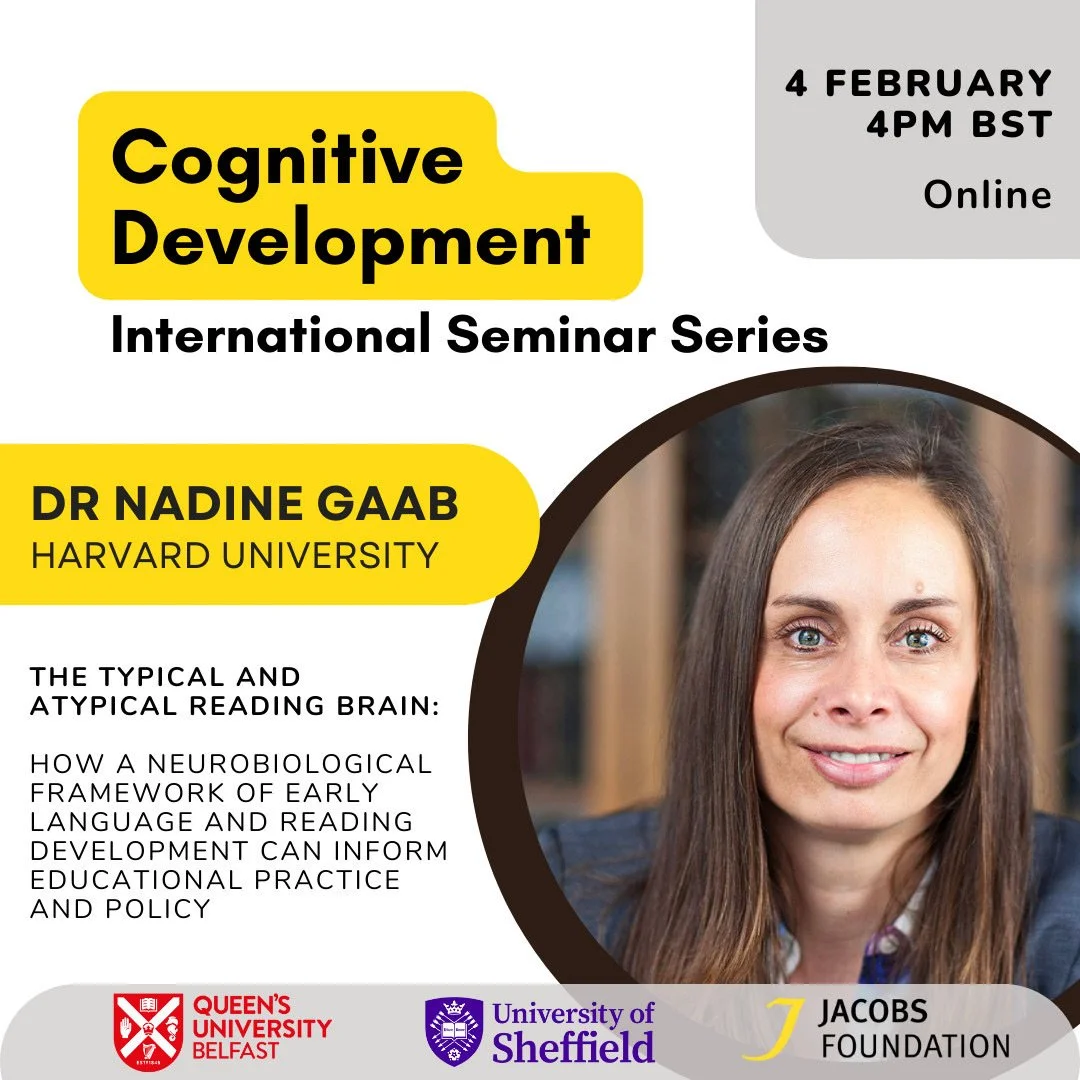
International Cognitive Development Seminar Series
International #CognitiveDevelopment Seminar Series continues in February with Dr Nadine Gaab (Harvard University) discussing "The Typical and Atypical Reading Brain." Don’t miss it—join us on 4th February!
Sign up: lnkd.in/eVERArbw
Details about the series: lnkd.in/ebQz_fXd

New Jersey Speech-Language-Hearing Association December Virtual Literacy Event
Learning trajectories are shaped by the dynamic interplay between nature and nurture, starting in utero and continuing throughout the lifespan. Learning differences/disabilities are often not identified until childhood or adolescence, but diverging trajectories of brain development may be present as early as prenatally. Furthermore, children’s experiences and their interactions with their environment have long-lasting influences on cognitive and brain development and future academic outcomes. This talk will focus on learning differences in reading acquisition within a learning disability framework. It will present results from our longitudinal behavioral and neuroimaging studies that characterize differences in learning to read as a complex outcome of cumulative risk and protective factors interacting within and across genetic, neurobiological, cognitive, and environmental levels from infancy to adulthood. Results are discussed within an early multifactorial framework of learning differences, emphasizing screening in educational and community settings, early identification, and preventative strategies. Finally, using a global lens, the implications of these findings for contemporary challenges in educational and clinical practice and policy are discussed.

25th Annual Dyslexia Conference
Join us for a meaningful day of learning and collaboration at the Region 4 Dyslexia Conference. This annual event is designed for educators, specialists, and professionals who are passionate about supporting students with dyslexia.
Together, we’ll explore the latest insights in dyslexia research, intervention strategies, assessment techniques, legal considerations, and accommodations. This conference is more than just sessions—it's a chance to connect with like-minded professionals, share experiences, and grow in our collective mission to empower every student. Whether you’re a teacher, reading specialist, interventionist, or instructional coach, you’ll find sessions tailored to your role, equipping you with practical tools and knowledge to make a real difference
We invite you to be part of this supportive community dedicated to advancing dyslexia education. Together, we can continue making a lasting impact in the lives of learners. We hope to see you at the Region 4 Dyslexia Conference!

The Centre for the Science of Learning at Western University: RISE
Reading Instruction based on Science and Evidence (RISE): A Speaker Series designed to help educators and others understand and implement the Ontario Right-to-Read recommendations.
Nadine Gaab is an associate professor of Education at the Harvard Graduate School of Education. Her work focuses on typical/atypical learning trajectories from infancy to adolescence with an emphasis on language/reading development within a learning disabilities framework. Her work is at the intersection of neuroscience, psychology, learning sciences, EdTech, and policy. She is the 2024 awardee of the Translation Award from the International Society of Mind, Brain, and Education and the 2023 recipient of the Academic Research Recognition Award from the World Literacy Foundation. Furthermore, she received the Learning Disabilities Association America Award in 2019 and has received the Norman Geschwind Memorial Lecture in 2020, and the Alice Garside Award in 2017 from the International Dyslexia Association. Furthermore, she is the founder of EarlyBird Education, an edtech platform for the early identification of children at risk for language-based learning disabilities with an integrated professional development platform for teachers.
To register: https://westernuniversity.zoom.us/meeting/register/tJYqdO-orDIoHNZxCysVOhymtmwQwrvReErA#/registration

The Dyslexia Paradox
Outreach at The Odyssey School presents a free community education event featuring international dyslexia expert, Nadine Gaab, Ph.D.